As the cinematic landscape continues to evolve, it’s hard not to revisit the classics that paved the way. An enduring franchise that has stamped its indelible mark on popular culture is undoubtedly the James Bond series, which has seen numerous skilled actors take on the role of 007. Among them, Sir Roger Moore’s portrayal holds a unique charm, a suave magnetism that encapsulates the essence of the legendary spy. Of his seven performances as Bond, it’s a bold claim, but I’ll make it: “Octopussy” outshines the rest, making it the best Roger Moore Bond film.
When Octopussy debuted in 1983, it was met with mixed reviews, but in hindsight, it is now appreciated for its undeniable appeal that can be credited to a unique blend of gripping storyline, unforgettable characters, compelling action sequences, and Roger Moore’s nuanced performance.
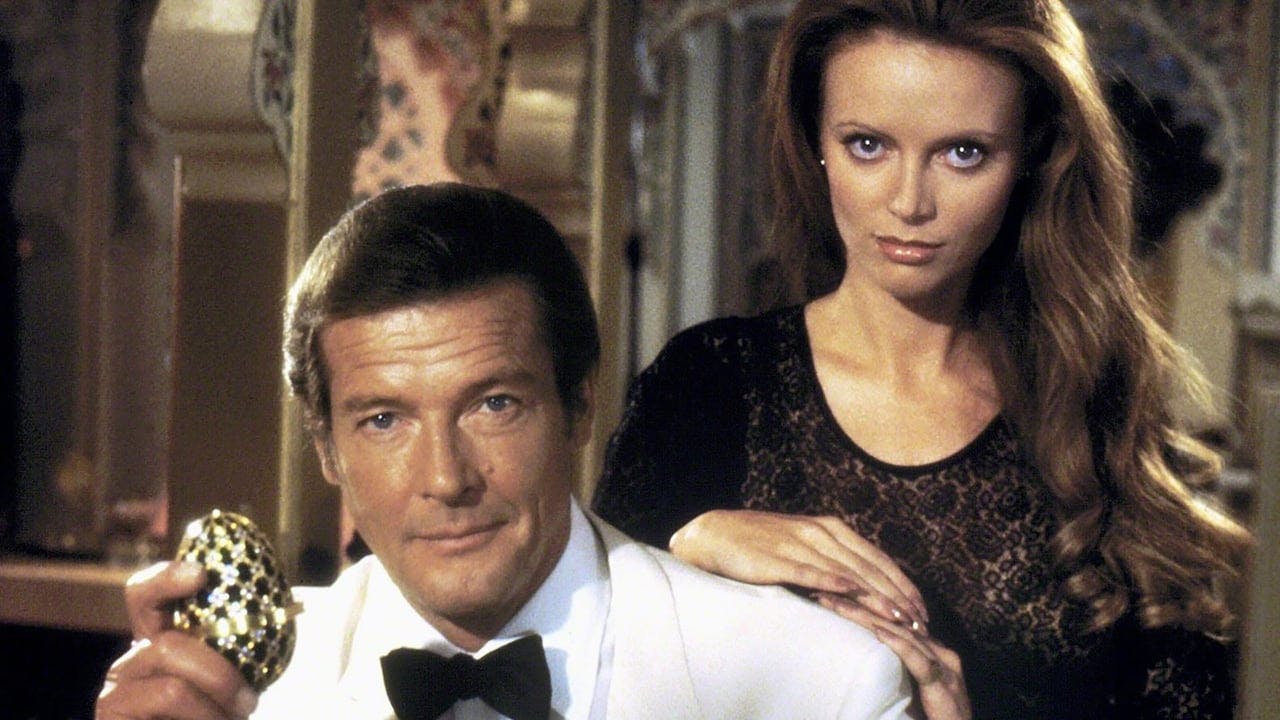
The plot of Octopussy revolves around stolen Fabergé eggs, nuclear weapons, and a circus – a wild amalgamation that mirrors the film’s ability to tread the line between the fantastic and the serious. The narrative is intricately woven, featuring a Cold War backdrop that not only adds suspense but also provides a commentary on the geopolitical climate of the time.
What sets Octopussy apart is its expert balance between traditional Bond motifs and innovative elements. It faithfully adheres to the Bond formula – glamorous locations, high-stakes gambling, exotic animals, and formidable villains. Simultaneously, it ventures into fresh territory, making Bond more relatable and showing a more human side to his character. In one scene, Bond disarms a nuclear bomb while disguised as a clown, a moment that balances tension and humor – a hallmark of Moore’s Bond.
Roger Moore’s performance in Octopussy is exceptional, offering a more mature, sophisticated interpretation of the character. Moore plays the character with a charm and a touch of vulnerability, setting him apart from his predecessors. His humor is as dry as the martinis he drinks, and he brings a level of self-awareness that makes his character both endearing and engaging. He’s debonair and charismatic, yet demonstrates that Bond, too, can fear, feel, and be moved.
Octopussy also stands out for its strong female characters, a somewhat unusual aspect for a Bond film of that era. Maud Adams as Octopussy is a dynamic, independent character who not only leads a group of fierce women but also holds her own against Bond. She’s not just another Bond girl; she’s a powerful, competent leader – a refreshing take that adds depth to the film.
The action sequences in Octopussy are some of the most thrilling in the franchise, particularly the gripping train sequence and the exhilarating plane climax. They’re well-choreographed, impressively shot, and they hold up even today, reflecting the film’s commitment to quality filmmaking.
John Barry’s score is another highlight, elevating the dramatic moments and adding an additional layer of intrigue to the film. Barry masterfully blends eastern musical influences into his compositions, further enhancing the exotic locales and narrative.
But perhaps the best argument for Octopussy as Moore’s top Bond film is its embodiment of change, straddling the old-world charm of Connery’s era and the grittier, more realistic approach of future portrayals. It’s a tribute to the classic Bond archetype while also reflecting the evolving dynamics of the spy thriller genre.
While every Bond film brings its unique appeal, “Octopussy” stands as an embodiment of Roger Moore’s best traits as 007 – charm, humor, wit, and sophistication. It pushes boundaries while paying homage to tradition, making it a compelling cinematic experience and arguably the high point of Moore’s tenure as James Bond.
This blogpost was created with help from ChatGPT Pro

 Christopher Finlan