Xenia Onatopp: The best of James Bond’s Femme Fatales

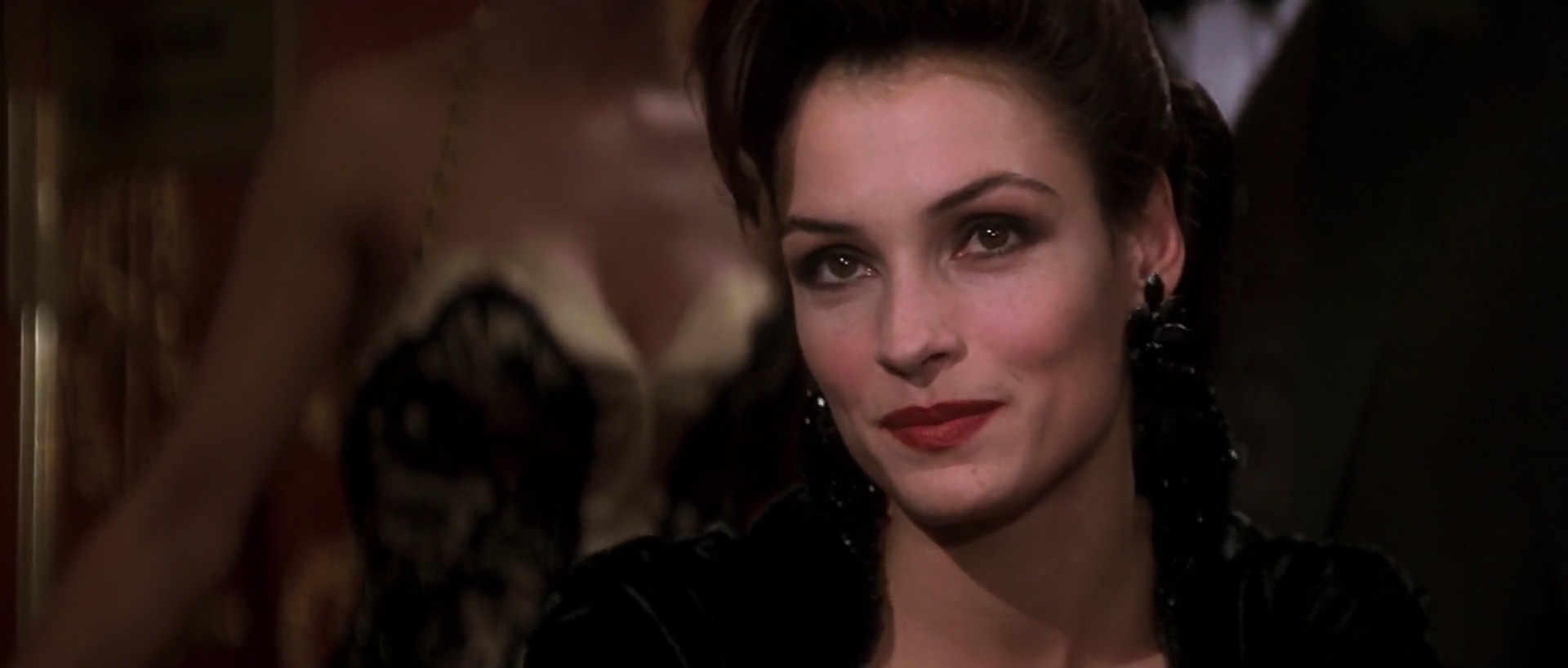
There’s an exclusive group of characters in the James Bond canon that, much like 007 himself, have left indelible imprints on pop culture, making the series an iconic fixture in the cinematic landscape. Among these are Bond’s femme fatales – deadly, seductive women who present themselves as considerable threats, blurring the line between villain and love interest. While many have challenged Bond’s wits, few have managed to encapsulate the essence of a femme fatale as strikingly as Xenia Onatopp, a memorable character from the 1995 film, “GoldenEye”.

In a series that boasts over 25 films, why does Onatopp, portrayed with unabashed enthusiasm by Famke Janssen, stand out from the rogue’s gallery of femme fatales? Here’s why she isn’t just the best, but also the most quintessential, femme fatale in the James Bond series.

  1. A Distinctive Blend of Sexuality and Violence:

Femme fatales in the Bond franchise are no strangers to sensuality. But Xenia Onatopp took this element and combined it with a level of violence that was, quite frankly, unprecedented in the series. Her weapon of choice was her powerful thighs, a deadly vice that could crush men to death – a lethal yet seductive trait that she used with relish and a perverse sense of enjoyment. This unique blend of sexuality and violence gave her character a distinct edge and cemented her as a formidable adversary.

  1. An Unforgettable Performance:

Famke Janssen’s charismatic performance is a major part of what made Onatopp such an unforgettable character. Janssen played the role with an exaggerated zeal, capturing the character’s psychopathic nature and lust for violence with an irresistible charm that was hard to look away from. Her delightfully over-the-top portrayal of Onatopp showcased an actress fully embracing the lunacy of her character, resulting in one of the most distinctive performances in the Bond series.

  1. A Worthy Adversary for Bond:

Xenia Onatopp was not just a threat to Bond’s physical well-being, but also his mental acuity. While many femme fatales have tried to seduce and deceive Bond, Onatopp was one of the few who could challenge him on every level, making their encounters all the more thrilling. Their chemistry was palpable, their confrontations electrifying. She managed to keep Bond on his toes and the audience on the edge of their seats, proving herself a worthy adversary.

  1. A Complex and Layered Character:

While she may seem like a psychotic villainess on the surface, Onatopp is a surprisingly layered character. Beneath her sadistic exterior lies a character traumatized by her past, struggling with her identity, and drawn to the thrill of danger and death. This gives her an unexpected depth that makes her not only terrifying but also oddly sympathetic.

  1. Iconic Status:

Xenia Onatopp remains one of the most recognized characters in the Bond franchise. Her outrageous character traits, combined with Janssen’s captivating performance, have resulted in a character that stands as an iconic figure in Bond history. She has also set a new standard for future femme fatales, forever changing our expectations of what these characters can be.

In conclusion, Xenia Onatopp’s blend of sexuality and violence, her status as a worthy adversary for Bond, Janssen’s unforgettable performance, her complex characterization, and her enduring popularity all combine to make her the most compelling femme fatale in the Bond franchise. She is not just a character; she is a force of nature, a hurricane in human form, leaving a path of destruction and unforgettable memories in her wake. Here’s to Xenia Onatopp – the best of James Bond’s femme fatales.

This blogpost was created with help from ChatGPT Pro

Octopussy: The Crown Jewel of Roger Moore’s Bond Era

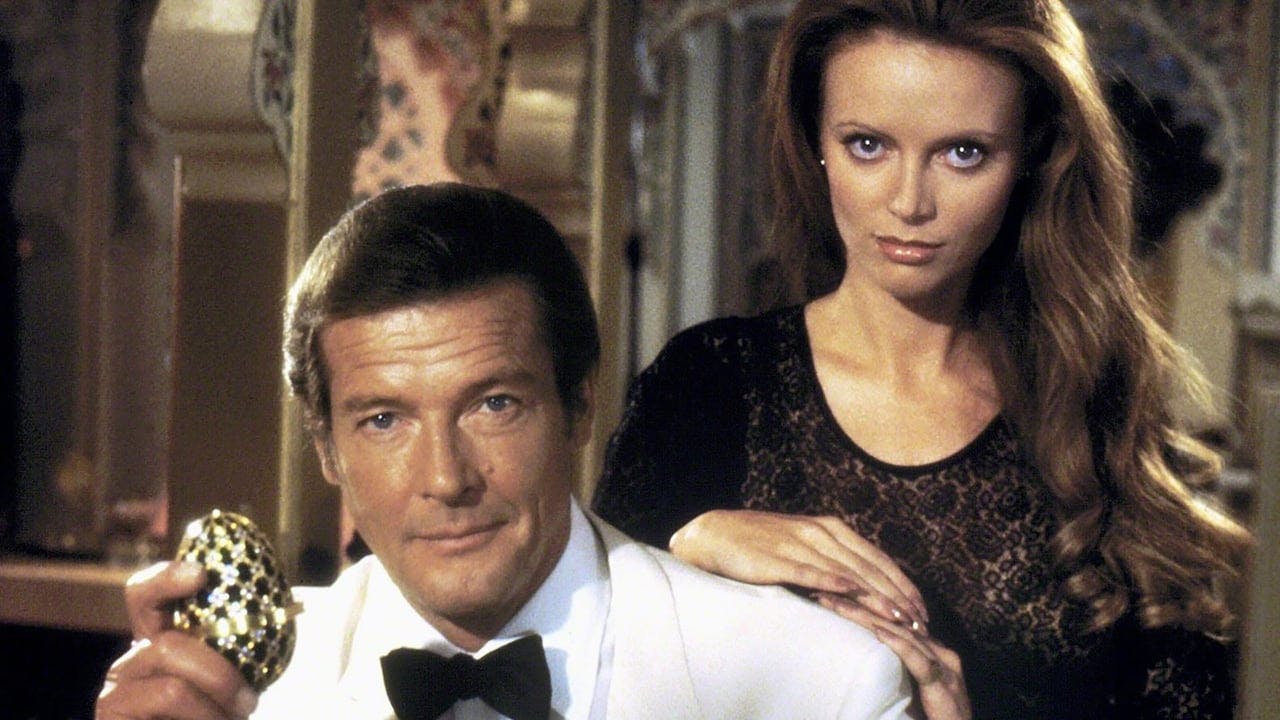
As the cinematic landscape continues to evolve, it’s hard not to revisit the classics that paved the way. An enduring franchise that has stamped its indelible mark on popular culture is undoubtedly the James Bond series, which has seen numerous skilled actors take on the role of 007. Among them, Sir Roger Moore’s portrayal holds a unique charm, a suave magnetism that encapsulates the essence of the legendary spy. Of his seven performances as Bond, it’s a bold claim, but I’ll make it: “Octopussy” outshines the rest, making it the best Roger Moore Bond film.

When Octopussy debuted in 1983, it was met with mixed reviews, but in hindsight, it is now appreciated for its undeniable appeal that can be credited to a unique blend of gripping storyline, unforgettable characters, compelling action sequences, and Roger Moore’s nuanced performance.

The plot of Octopussy revolves around stolen Fabergé eggs, nuclear weapons, and a circus – a wild amalgamation that mirrors the film’s ability to tread the line between the fantastic and the serious. The narrative is intricately woven, featuring a Cold War backdrop that not only adds suspense but also provides a commentary on the geopolitical climate of the time.

What sets Octopussy apart is its expert balance between traditional Bond motifs and innovative elements. It faithfully adheres to the Bond formula – glamorous locations, high-stakes gambling, exotic animals, and formidable villains. Simultaneously, it ventures into fresh territory, making Bond more relatable and showing a more human side to his character. In one scene, Bond disarms a nuclear bomb while disguised as a clown, a moment that balances tension and humor – a hallmark of Moore’s Bond.

Roger Moore’s performance in Octopussy is exceptional, offering a more mature, sophisticated interpretation of the character. Moore plays the character with a charm and a touch of vulnerability, setting him apart from his predecessors. His humor is as dry as the martinis he drinks, and he brings a level of self-awareness that makes his character both endearing and engaging. He’s debonair and charismatic, yet demonstrates that Bond, too, can fear, feel, and be moved.

Octopussy also stands out for its strong female characters, a somewhat unusual aspect for a Bond film of that era. Maud Adams as Octopussy is a dynamic, independent character who not only leads a group of fierce women but also holds her own against Bond. She’s not just another Bond girl; she’s a powerful, competent leader – a refreshing take that adds depth to the film.

The action sequences in Octopussy are some of the most thrilling in the franchise, particularly the gripping train sequence and the exhilarating plane climax. They’re well-choreographed, impressively shot, and they hold up even today, reflecting the film’s commitment to quality filmmaking.

John Barry’s score is another highlight, elevating the dramatic moments and adding an additional layer of intrigue to the film. Barry masterfully blends eastern musical influences into his compositions, further enhancing the exotic locales and narrative.

But perhaps the best argument for Octopussy as Moore’s top Bond film is its embodiment of change, straddling the old-world charm of Connery’s era and the grittier, more realistic approach of future portrayals. It’s a tribute to the classic Bond archetype while also reflecting the evolving dynamics of the spy thriller genre.

While every Bond film brings its unique appeal, “Octopussy” stands as an embodiment of Roger Moore’s best traits as 007 – charm, humor, wit, and sophistication. It pushes boundaries while paying homage to tradition, making it a compelling cinematic experience and arguably the high point of Moore’s tenure as James Bond.

This blogpost was created with help from ChatGPT Pro