Articles

The Misplaced Redemption of “Buck Rogers in the 25th Century” Season Two: The Hawk Dilemma

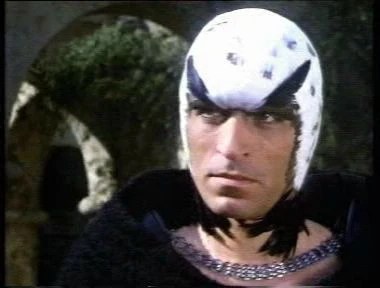
In the annals of science fiction television, few series have sparked as much debate and division among fans as “Buck Rogers in the 25th Century.” The transition from its first to its second season remains a particularly contentious point. With the introduction of the character Hawk, played by Thom Christopher, in the second season, a segment of the fan base contends that this addition significantly elevated the show’s quality. However, this perspective, while understandable given Hawk’s compelling characteristics and the depth he brought to the series, overlooks fundamental issues that rendered the second season a step back from its predecessor.

First and foremost, it’s essential to understand the context. The first season of “Buck Rogers” was characterized by its campy charm, a blend of action, humor, and a dash of cheeky innuendo, all wrapped up in the shiny foil of 1970s sci-fi aesthetics. It was a product of its time, embracing the era’s fascination with space opera and the optimism of interstellar exploration. The show wasn’t just about the adventures of its titular character, played by Gil Gerard, but about the world-building of the 25th century and its reflection of contemporary societal themes.

Enter the second season, and with it, a significant tonal shift. The production team, under new leadership, decided to take the series in a more “serious” direction, arguably to align more closely with the success of other sci-fi franchises of the time. This pivot meant not just a change in thematic focus but also in visual style, narrative structure, and character dynamics. It was within this tumultuous reimagining that Hawk was introduced—a noble warrior from a bird-like alien race, the last of his kind, with a tragic backstory and a quest for vengeance and justice.

Hawk was, without a doubt, a fascinating addition. His character brought a depth and gravitas to the series that was less prevalent in the first season. His internal conflict, cultural heritage, and the broader themes of genocide and survival resonated with many viewers. On the surface, Hawk’s inclusion seemed like a beacon of redemption for the series, providing a richer narrative layer that some fans argue elevated the second season above its predecessor.

However, this perspective is flawed, primarily because it isolates Hawk’s character from the broader context of the season’s failings. While Hawk was a compelling character in his own right, his presence alone could not counterbalance the numerous issues that plagued the second season. The shift towards a more “serious” tone led to an imbalance, stripping away much of the charm and fun that made the first season so endearing. The attempts at deeper storytelling often felt forced and incoherent, struggling to mesh with the established universe of the series.

Moreover, the second season suffered from a lack of consistency in its storytelling and character development. The episodic nature of the series meant that the emotional and narrative depth introduced by Hawk’s character often felt isolated from the rest of the show’s elements. The ensemble cast, one of the first season’s strengths, was sidelined, reducing the dynamic interactions that had added layers to the narrative fabric of the series.

Additionally, the drastic changes in setting—from the Earth-centric stories of the first season to the more spacefaring, episodic adventures of the second—alienated fans who had become invested in the series’ original premise and characters. The charm of New Chicago and its inhabitants was replaced by a seemingly endless parade of new planets and one-dimensional characters, making the series feel disjointed and unmoored from its roots.

In conclusion, while Hawk’s character was undeniably a highlight of “Buck Rogers in the 25th Century”‘s troubled second season, his presence alone does not redeem the myriad issues that arose from the show’s drastic retooling. The decision to shift the series’ tone and direction resulted in a loss of the unique blend of humor, action, and heart that had defined its initial success. Hawk’s inclusion, although a bright spot, could not compensate for the season’s overall decline in coherence, charm, and engagement. The debate surrounding the series’ two seasons is unlikely to be resolved among fans, but it’s crucial to recognize that a single character, no matter how well-crafted, cannot singlehandedly redeem a series from its foundational missteps.

This post was written with help from ChatGPT 4.0

Reggie Jackson: A Childhood Hero and Baseball Legend

For many, the love of baseball starts with a hero, someone who embodies the passion, skill, and excitement of the game. For me, that hero was none other than Reggie Jackson, also known as “Mr. October.” His vibrant personality, extraordinary prowess on the field, and ability to shine during the most crucial moments made him not just my favorite baseball player, but my first childhood hero.

The Talent and Tenacity

Reggie Jackson’s entry into Major League Baseball was no less than meteoric. Drafted by the Kansas City Athletics in 1966, he quickly showcased his incredible skill as a power hitter and an outfielder. With 563 career home runs and 14 All-Star selections, his talent was evident and awe-inspiring. The swing of his bat became a symbol of precision and power that resonated with fans, myself included.

What set Reggie apart for me was not just his statistics but his determination to excel. He played with a tenacity and zeal that was infectious. Each time he stepped up to the plate, he instilled hope, excitement, and an anticipation that something extraordinary was about to happen.

Mr. October

The nickname “Mr. October” was not just a catchy title; it was earned through his outstanding performances in the postseason. Reggie’s clutch hitting in the World Series made him a legend, particularly in the 1977 series with the New York Yankees. I remember the first time I got to watch a video of his three home runs in Game 6, each one etching a mark in history.

His ability to step up when it mattered the most, to embrace the pressure, and to deliver time and time again made him an icon of the sport. It taught me valuable lessons about resilience, self-belief, and the pursuit of greatness.

A Vibrant Personality

Reggie’s flair was not confined to the baseball diamond. Off the field, he had a charismatic and confident personality that drew people towards him. He was outspoken and unafraid to express his opinions, standing up for what he believed in. For a young fan like me, Reggie was more than a sports figure; he was a role model who demonstrated that success required more than physical skill—it required character and conviction.

Conclusion

Reggie Jackson’s impact on baseball is immeasurable. His remarkable career, colorful personality, and commitment to excellence made him a hero in the truest sense. As my favorite baseball player and first childhood hero, Reggie inspired me to dream big, work hard, and never shy away from the spotlight.

He was not just a player but a symbol of what is beautiful about the sport of baseball. Reggie’s legacy continues to inspire, and his story remains a testament to the transformative power of sports and the heroes we look up to. His influence extends beyond the baseball field and into the hearts of fans like me, who will forever cherish the memories and lessons gleaned from watching him play.

This blogpost was created with help from ChatGPT Pro

Dirty Harry: A Model Cop or A Symbol of Unchecked Aggression?

Dirty Harry Callahan, a character brought to life by Clint Eastwood in the 1971 film “Dirty Harry,” is one of cinema’s most iconic and divisive figures. While some see Harry as a relentless avenger who ensures justice at all costs, others view him as a dangerous and reckless force that embodies everything wrong with a police system unchecked by rules or compassion. In this blog post, we will explore both sides of the debate, dissecting Dirty Harry’s actions to determine whether he is a good cop or a flawed one.

The Good Cop: A Warrior for Justice

Unwavering Dedication

Harry’s fans admire his willingness to go beyond the call of duty to ensure that justice is served. Faced with criminals who manipulate the system to escape punishment, Harry takes matters into his own hands, prioritizing results over bureaucracy.

Realism and Effectiveness

Dirty Harry’s methods, although controversial, are portrayed as effective in combating crime. For supporters of his approach, Harry’s success in apprehending criminals who would otherwise evade justice serves as justification for his methods. They argue that his relentless pursuit of justice fills a gap where the system falls short.

A Reflection of Society’s Frustration

At the time “Dirty Harry” was released, public trust in institutions was waning, and many felt that the criminal justice system was failing them. Harry’s no-nonsense approach resonated with those who were disillusioned with the system, making him a hero in the eyes of many.

The Flawed Cop: A Renegade Force

Disregard for the Law

Critics of Dirty Harry argue that his willingness to break the rules, engage in police brutality, and act as judge, jury, and executioner undermines the very principles of justice he claims to uphold. By taking the law into his own hands, he disregards the due process rights of suspects, setting a dangerous precedent.

A Symbol of Police Aggression

For many, Dirty Harry represents a toxic form of law enforcement that prizes violence and aggression over community policing and understanding. His actions have been seen as emblematic of a culture of police misconduct, leading to mistrust and fear between the police and the communities they serve.

Ethical Ambiguity

Harry’s willingness to cross ethical lines raises questions about the role of a police officer. Should an officer be allowed to break the rules to catch a criminal, or should they be held to a higher standard? Critics argue that Harry’s actions blur the line between right and wrong, undermining the moral authority of law enforcement.

Conclusion

The character of Dirty Harry continues to provoke passionate debate. For some, he is a symbol of justice and a necessary response to a failing system. For others, he represents a dangerous departure from the principles that should guide law enforcement.

Is Dirty Harry a good cop? The answer may depend on individual perspectives on justice, law enforcement, and society. While some may see him as a flawed but necessary force in the fight against crime, others argue that his methods undermine the very system he claims to defend. Ultimately, the debate over Dirty Harry’s legacy reflects broader questions about the role and responsibilities of the police, the balance between order and rights, and what society expects from those who enforce its laws.

This blogpost was created with help from ChatGPT Pro

Fitness Beach vs. Co-Ed Training: A Showdown of ’90s Fitness TV

The 1990s were a time of neon spandex, high ponytails, and an explosion of fitness culture on TV. Among the plethora of exercise shows, two programs stood out—Fitness Beach and Co-Ed Training. Both aired on ESPN2 and enjoyed a following among fitness enthusiasts. While these shows shared some similarities, they each had unique features that made them stand out. So, which one was better? Let’s dive in and examine the appeal of these iconic fitness TV shows.

Fitness Beach: Fun in the Sun

Fitness Beach was a TV fitness and exercise show that aired in the 1990s. The cast of the program included Kathy Derry, Deborah Khazei, Denise Paglia, and Leeann Tweeden, with Jennifer Goodwin joining the crew in the first season. The show’s setting on a picturesque beach added to its appeal, bringing a sense of fun and relaxation to the workouts.

The program was not just about workouts—it was also about personality. The charismatic cast offered not just fitness instruction but also a kind of camaraderie that made viewers feel as if they were part of a beach party. The diverse routines, ranging from high-intensity workouts to yoga-inspired stretches, ensured that viewers could find something that suited their fitness levels and interests.

Co-Ed Training: Strength and Cardio Combined

Co-Ed Training, on the other hand, was a show that combined strength training with cardiovascular aerobics for a total body workout. The cast included Deprise Brescia, a former Venus Swimwear model, Shawnae Jebbia, a former Miss USA, and Carol Grow, who was known for her show on E! Entertainment.

The show was designed to kick-start your day with its early morning slot, providing a high-energy workout to get your blood pumping. Co-Ed Training was not just about the exercise, but also the ‘eye-candy’ factor—the cast was known for their attractiveness, adding a glamorous aspect to the show.

The Showdown: Fitness Beach vs. Co-Ed Training

Both shows had their unique charm—Fitness Beach with its beach setting and diverse routines, and Co-Ed Training with its combined strength and cardio workouts and attractive cast. So, which one was better?

If you’re looking for a workout show that feels like a vacation, Fitness Beach was the winner. Its beach setting and charismatic cast made workouts feel less like a chore and more like a fun activity.

However, if you wanted a high-energy workout that combined strength and cardio, Co-Ed Training was the show to watch. Its early morning slot was perfect for those looking to start their day with an energy boost. Moreover, the attractive cast added an element of glamour that made the show interesting to watch.

In conclusion, the debate between Fitness Beach and Co-Ed Training comes down to personal preference. If you prefer a laid-back, fun workout with a dash of beach vibes, Fitness Beach was your go-to show. If you’re a fan of high-energy workouts with a side of glamour, Co-Ed Training was the one for you. At the end of the day, both shows contributed to the ’90s fitness TV culture, each leaving a unique legacy that continues to inspire fitness enthusiasts today.

This blogpost was created with help from ChatGPT Pro

Harnessing the Power of Code Interpreter Beta in ChatGPT Plus: A Deep Dive into eBay Purchases

As we continue to navigate the digital age, data has become an integral part of our lives, and understanding this data is more important than ever. One of the recent advancements in data analysis is the Code Interpreter Beta feature in ChatGPT Pro, a powerful tool that brings programming and data analysis to your fingertips. To illustrate its power, let’s dive into an example where we analyze a dataset of eBay purchases.

Imagine that you’ve been given a CSV file containing information about eBay transactions. The dataset includes the date of purchase, the title of the listing, the total price of the item, and the name of the seller. At first glance, it may seem like a daunting task to extract meaningful information from this raw data. However, with the Code Interpreter Beta feature, we can easily navigate this data and gain valuable insights.

Data Cleaning

The first step in our analysis involves cleaning our data. We noticed that the ‘Total Price’ column in our dataset was stored as text rather than numerical values, which prevents us from performing numerical computations. The power of the Code Interpreter Beta feature shines here as it enables us to quickly convert the ‘Total Price’ column into a numerical format using a few lines of Python code.

Descriptive Statistics

Once our data is cleaned, we can start delving into the interesting stuff: gaining insights from our data. We can use the Code Interpreter Beta feature to easily compute descriptive statistics for the ‘Total Price’ column. With a few lines of code, we can determine the average purchase price, the variability in prices, and the range of prices.

  • Count: There are 2988 transactions in the dataset with a valid ‘Total Price’.
  • Mean: The average price of a purchase is approximately $42.29.
  • Standard Deviation: The standard deviation, a measure of price variability, is approximately $339.88. This high value suggests there’s a large variation in purchase prices.
  • Minimum: The least expensive purchase in the dataset cost $0.01.
  • 25% (1st Quartile): 25% of the purchases were priced at $5.00 or less.
  • Median (50% / 2nd Quartile): The median price, which separates the higher half and the lower half of the purchase prices, is $11.96. This means that 50% of the purchases were less than $11.96, and 50% were more.
  • 75% (3rd Quartile): 75% of the purchases were priced at $27.00 or less.
  • Maximum: The most expensive purchase in the dataset cost $15,200.00.

Purchase Trends Over Time

Next, we wanted to investigate the trends in eBay purchases over time. Utilizing the date and time functionalities offered by the Code Interpreter Beta feature, we were able to group our purchases by month and year. This allowed us to visualize the number of purchases over time, revealing an increasing trend in purchases from November 2001 to January 2022.

Price Distribution

Finally, we looked into the distribution of purchase prices. Through the visualization tools available in the Code Interpreter Beta feature, we could easily generate histograms to visualize this data. We found that the majority of the purchases were in the lower price range, with a few purchases significantly more expensive. To focus on the majority of transactions, we created a histogram for purchases priced at $200 or less, revealing that most purchases were in the $0-$50 range.

Conclusion

In conclusion, the Code Interpreter Beta feature is a powerful tool that opens up a world of possibilities for data analysis. With its help, we were able to transform a raw eBay transactions dataset into meaningful insights, uncovering trends in purchase prices and their distribution. Its seamless integration of data cleaning, statistical computation, and visualization capabilities makes it a potent tool for any data enthusiast. Whether you’re a seasoned data scientist or a curious beginner, the Code Interpreter Beta feature brings data analysis to your fingertips.

This blogpost was created with help from ChatGPT Pro

Seven Weeks with a Legend: How Scott Pelluer’s Mentorship Transformed My Son Matthew’s Football Journey and Life

Today’s post is a very personal one for me. Scott Pelluer, a former linebacker at Washington State and in the NFL, died at age 64. But Scott was much more than that to my son Matthew – Scott had been a private football coach for him from late April this year up until just before he passed, and the impact he had on Matthew during that time is something he’ll carry with him the rest of his life.

Matthew’s dream is to play college football, and he’d never played tackle football or even worn a helmet until he started training in earnest in April this year. As his dad, I wanted to support his dream and decided to find a private coach to work with him to help prepare him for training camp in June. I found Scott through an online website where he was advertising his services almost by accident when another coach Matthew worked with was going to be unavailable for some time – Scott later told me he didn’t get any other business from that site after I found him on it. After a few times playing voicemail tag, we connected and set a time for him to work with Matthew at Skyline High School in Sammamish, where Scott had once coached as a defensive coordinator.

Scott and Matthew hit it off immediately – it was clear Scott loved to coach football, and Matthew is someone who has always gotten feedback as being very coachable. Each session would start and end the same way, and often times he and Matthew would end up just talking in between drills about any number of things, including his time in the NFL and how he used to play catch with Peyton Manning when he was just a kid while he was on the Saints playing with his father Archie.

One session led to another, and another, and soon we were seeing Scott 3-4 times a week leading up to Matthew’s first ever spring training camp as an incoming freshman at Redmond High School. He encouraged Matthew to attend various college camps, as he would learn something at every camp he attended, and he told me repeatedly how much he loved working with Matthew and how strongly he felt he was going to be a “special” player. Matthew took his advice and was one of the youngest participants at the camp held by my alma mater, Temple University, in late May, and Scott texted me throughout to see how he did.

Having someone like Scott believe in his abilities meant the world to Matthew – he fed off that type of feedback and worked harder each and every time they met, and it was clear Scott had a genuine affection for Matthew as he went out of his way to tell me as often as possible he loved working with him and would work with him any time we wanted. He even urged us to attend a camp at USC so his son Peyton could see Matthew on the field. That didn’t mean he took it easy on him – on the contrary, he would push him harder as he progressed, and Matthew still has the dollar he won from Scott after completing the end of session one-handed catches of a lacrosse ball he’d have him do sitting on the mantle in our family room.

Once Matthew’s summer camp started in June, we only saw Scott one last time, on June 11th and it was a shorter session because he’d already been working a few other kids that Sunday like he always did. I had been texting him updates about how his progress had gone at his request, and at the end of their session he promised Matthew he would come watch one of his practices before the month was out. He told him how proud he was of the progress he’d made in such a short period of time and though I continued to text with him until the day of his heart attack, that was the last time Matthew ever got to see him.

Despite dealing with a nagging injury to his hip flexor, Matthew had a great camp and impressed the coaches with his work ethic and coachability. He has a legitimate shot of being on varsity come the fall, but whether or not that actually happens, there’s no way he would have had the success he did without those seven weeks he worked with Scott where he not only learned how to become a better football player, but he also learned how to believe in himself.

Yesterday, Matthew was ready to test out his hip flexor and see if he was finally at 100%, and we did the ladder drills and hurdle drills he’d done with Scott each session to do so. It was obvious after the first run he finally felt like himself again after over two weeks of being a step slow. As he ran back to the ladder and tossed me the ball, he had a huge smile on his face after I told him “Nice catch, young buck”. I’m sure Scott would have agreed.

Matthew’s journey on the gridiron is far from over, but the time he spent with Scott has already shaped him in remarkable ways. Those seven weeks weren’t just about football; they were about building character, fostering self-belief, and learning life lessons from a man who was more than just a coach.

Scott may have left us, but his teachings, spirit, and influence live on in every catch Matthew makes, every victory he achieves, every hurdle he overcomes. That’s the mark of a great mentor – even when they’re gone, their lessons stay with us.

So here’s to Scott, the former WSU great and NFL linebacker who left an indelible impact on my son. While his passing is a profound loss, his teachings and the memories they forged together will live on in Matthew’s journey. The field may be missing a great coach, but the game and Matthew’s heart will forever carry his legacy.

August 28, 2023 Update – Matthew officially made varsity as a freshman and will be playing LT for them in their first game of the season this Friday. He will also be playing TE and DE for JV each week. He is wearing Scott’s number 47 this season in tribute to him.